You lead a remote or hybrid legal team effectively by being more intentional about communication, trust, and mentorship than you would in person. Distance removes the hallway moments where culture and coaching used to happen, so leaders have to rebuild them deliberately — clear expectations, regular one-to-ones, visible vulnerability, and structured mentorship — or trust and development quietly erode.
What distance actually breaks
Remote work doesn't usually break the legal work itself — documents get drafted and deadlines get met. What it breaks is the connective tissue: the overheard mentoring, the read of someone's body language, the casual trust that builds over shared time. Left alone, that erosion shows up months later as disengagement and turnover.
What strong remote legal leaders do differently
They over-communicate context. In person, people absorb the "why" by osmosis. Remotely, leaders have to say it out loud and often.
They protect the one-to-one. A consistent, real one-to-one is the single highest-leverage habit for a distributed team. It's where coaching, feedback, and early warning signs live.
They make themselves human on screen. Vulnerability travels poorly over video unless leaders are intentional. Naming a hard week or admitting uncertainty rebuilds the trust distance steals.
Practical moves
- Default to clarity. Write down expectations, deadlines, and decisions so no one is guessing across time zones.
- Build deliberate mentorship. Pair junior lawyers with seniors and schedule it — mentorship will not happen spontaneously anymore.
- Watch for the quiet ones. On video, struggling people disappear. Reach out before they go dark.
Leading distributed teams with trust and emotional intelligence is core to Courage2Connect coaching — and a free discovery call is a good place to pressure-test your current approach.
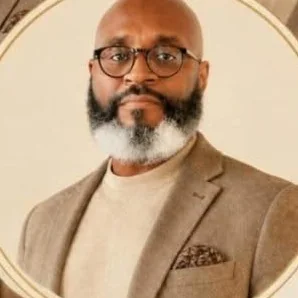
Executive leadership consultant, keynote speaker, and attorney leadership coach — a U.S. Army veteran with 25+ years across corporate, public, and military leadership. Carl helps law firms and legal teams trade cultures of invulnerability for emotional intelligence and authentic leadership. More about Carl →
Related insights
Emotional Intelligence for Lawyers: A Practical Guide
In a profession where everyone is technically competent, emotional intelligence is the differentiator that turns a respected technician into a leader people follow.
Read article →InsightsHow Law Firm Culture Quietly Drives (or Destroys) Performance
Culture isn't perks or mission statements. It's the everyday behavior your firm rewards and tolerates — and it shows up directly in your numbers.
Read article →InsightsWhy So Many Lawyers Burn Out — and What Actually Helps
Burnout in law isn't a personal failing — it's a predictable result of how the profession is built. Here's what drives it and what genuinely helps.
Read article →Questions, answered
Is hybrid harder to lead than fully remote?
Often, yes — hybrid can create an in-office in-group and a remote out-group. Leaders have to work to keep information and opportunity equal for everyone.
How do you mentor junior lawyers remotely?
Make it structured and scheduled rather than spontaneous: regular check-ins, deliberate pairing on matters, and explicit feedback, since the informal learning of an office no longer happens by default.
Ready to find your firm's Courage Gap?
Take the Leadership Identity Assessment or book a free discovery call to find your next step.